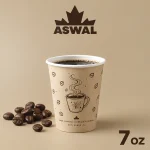
How to Choose Paper Cup Sizes for Your Coffee Shop
The right paper cup size should fit your recipe and make sense to the person working the counter. A café’s “medium” might be another shop’s “small.” Rather than choosing a range by name alone, start with what you serve, what customers order and how your team prepares each drink.
This guide takes you through building a practical cup range for a coffee shop, from comparing sizes to testing them during service and preparing a clear request for a quote.
Measure the drinks on your menu first
For each recipe, record the amount of coffee, water, milk and foam. Include the usual ice portion for cold drinks. The cup needs to accommodate the finished recipe while leaving room for handling and the lid.
A nominal cup capacity is not an instruction to fill to the rim. Prepare your actual drink in a sample of the proposed cup. That tells you more than a general rule claiming that every latte belongs in one particular size.
Include common changes customers request: room for milk, extra foam, an additional espresso shot or a smaller serving. Drinks that look similar on the menu can need different amounts of space once they are ready to hand over.
If you already have cups that work, keep a sample and record the product reference. A replacement with the same ounce label may have a different shape. Comparing the old and new samples side by side makes the change easier to assess.
Which coffee cup sizes should you compare?
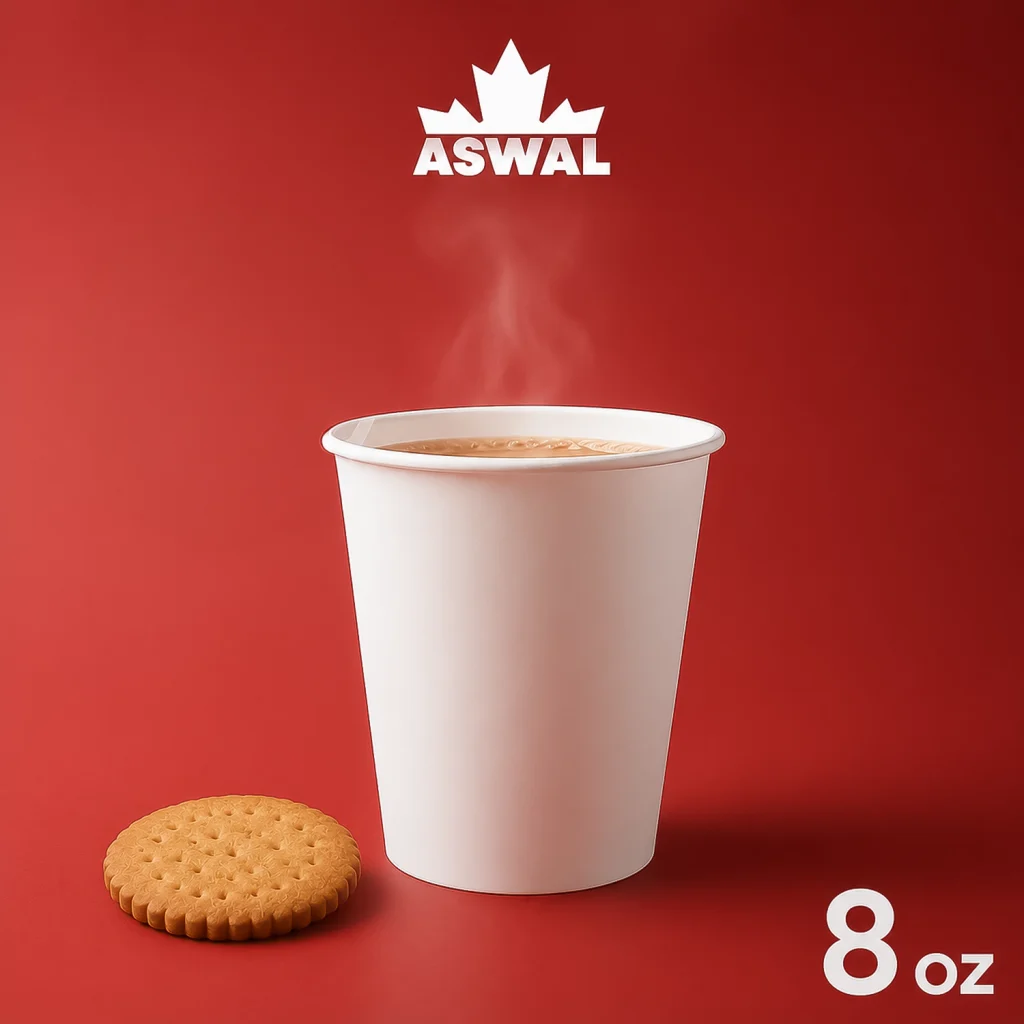
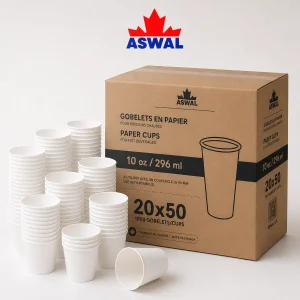
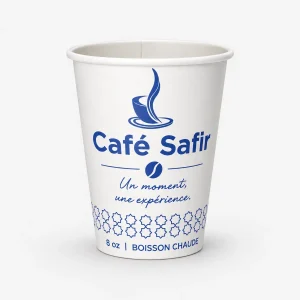
ASWAL’s catalogue includes 8, 10, 12 and 16 oz hot paper cups. The examples below are starting points for a service trial, rather than fixed rules about drink portions.
| ASWAL size |
A possible role on your menu |
What to check |
| 8 oz hot paper cup |
A smaller hot drink or shorter recipe |
Listed diameter is 80 mm; select the corresponding lid |
| 10 oz hot paper cup |
An option between a small portion and a 12 oz drink |
Whether it has a clear purpose beside your other sizes |
| 12 oz hot paper cup |
Filter coffee, tea or a milk-based drink, depending on the recipe |
Enough room for additions and the lid |
| 16 oz hot paper cup |
A larger portion where customer demand supports it |
Recipe balance, handling and fit in a drink carrier |
These product pages list single-wall construction and PE-coated paper. The 10, 12 and 16 oz models have a listed diameter of 90 mm. The 8 oz model is 80 mm. That difference matters when selecting lids, even if the cups sit together at the same station.
Build a range your staff can explain
Keep each size’s purpose clear
You do not need every size available in a catalogue. Each additional product takes storage space, needs inventory tracking and must be easy to identify during a rush. Choose sizes that meet distinct needs at your café.
If most orders fall into two portions, assess a third size using sales records and customer requests. It may fill a useful gap. It may also add work without solving an actual problem. Give the range a clear structure before designing the menu around it.
Consider how the sizes sound when staff describe them. Customers should understand the difference without having to compare the cups themselves. Keep the terminology consistent on the menu, at the till and in staff instructions.
Set a recipe for every size
A larger cup should not mean topping up a drink by guesswork. Specify the recipe for each size, including additions, and have the team taste the results. Record the serving method in your internal preparation sheets.
This makes the offer easier to explain and repeat. Your selling prices and ingredient portions are business decisions for your café; the cup should support those decisions. It should not quietly determine the recipe just because extra room is available.
Test the cups through a normal service routine
Looking at an empty cup only answers part of the question. Put a sample under your equipment, prepare the usual drink and follow the same steps your staff use at the counter. Check:
- clearance beneath the machine and access for filling;
- how easily one cup separates from the stack;
- space for foam, milk and the selected lid;
- comfort when handling the drink under your service conditions;
- stability in the carriers used for takeout orders.
For hot drinks, assess whether your service requires a suitable sleeve or another handling accessory. A single-wall description does not promise a particular level of insulation. Ask for confirmation if your operation needs a feature that the product page does not specify.
Involve someone who regularly handles your busiest shift. Repeated difficulty fitting a lid or telling two sizes apart is easier to address before placing the order than after the cartons arrive.
Plan hot and cold drinks separately
If your menu includes iced coffee, do not select the cup by capacity alone. ASWAL lists separate hot drink cups and cold drink cups. Choose the reference intended for the application, then check the finished recipe and lid together.
Ice occupies space, and the amount used changes the liquid portion. Establish a repeatable preparation method before comparing cold cup sizes. Calling a drink “large” does not tell you which product will accommodate it properly.
Keep the hot and cold references distinguishable in your ordering sheet and storage area. Similar capacity labels can otherwise lead to the wrong item being reordered.
Base quantities on sales by size
Use actual cup consumption for each size rather than a single estimate of coffees sold. Separate dine-in, takeout and delivery orders where they use different containers.
For a calculation example only, 60 takeout drinks a day in one size over six days use 360 cups per week. The additional stock you hold should reflect the confirmed replenishment lead time, seasonal demand and the variation you observe. This example is not an ASWAL minimum order or delivery commitment.
Ask about case packing and storage requirements. Before increasing an order, make sure there is suitable space for the cartons and that staff can retrieve the correct reference easily.
Prepare your cup selection with ASWAL
A useful cup range is straightforward to explain, serve and reorder. Shortlist your sizes, confirm the cup-and-lid combinations and keep exact product references in your purchasing record.
Want to add your café’s logo? Use Design My Cup to prepare a preview, then request a quote with your drink types, quantities by size and delivery location. For the other steps involved in a first custom order, see our ordering guide for Montréal cafés.