A hotel may use paper cups in guest rooms, at breakfast, near reception and during meetings. Those settings do not necessarily require the same portion or service routine. Choosing one model to simplify purchasing only works if that cup genuinely meets the needs of each location.
Start by looking at where drinks are prepared, who serves them and where guests take them. You can then combine similar requirements while keeping separate references where there is a practical reason to do so.
Map every service area that uses cups
Walk through the property with the relevant teams. Purchasing staff may see different constraints from the breakfast team or the people replenishing guest rooms.
For each location, record the drinks offered, serving volume, available space and likely movement of the cup. Will the guest stay in the dining area, leave by car or walk to a meeting room? Those details affect lid selection and the way supplies should be arranged.
| Service area |
Starting question |
Practical check |
| Breakfast |
What portion does the machine or staff member serve? |
Equipment clearance, room for milk and stack storage |
| Guest room |
Which cup fits the installed equipment? |
Available height and how the cup is presented |
| Reception |
Is coffee prepared on request or self-serve? |
Clear instructions and access to the right lids |
| Meeting or conference |
How many breaks and stations are planned? |
Stock by station, filling routine and replenishment |
This map prevents room count from becoming a substitute for actual cup demand. Conference visitors may create a separate requirement from overnight occupancy.
Match sizes to the drinks you actually serve
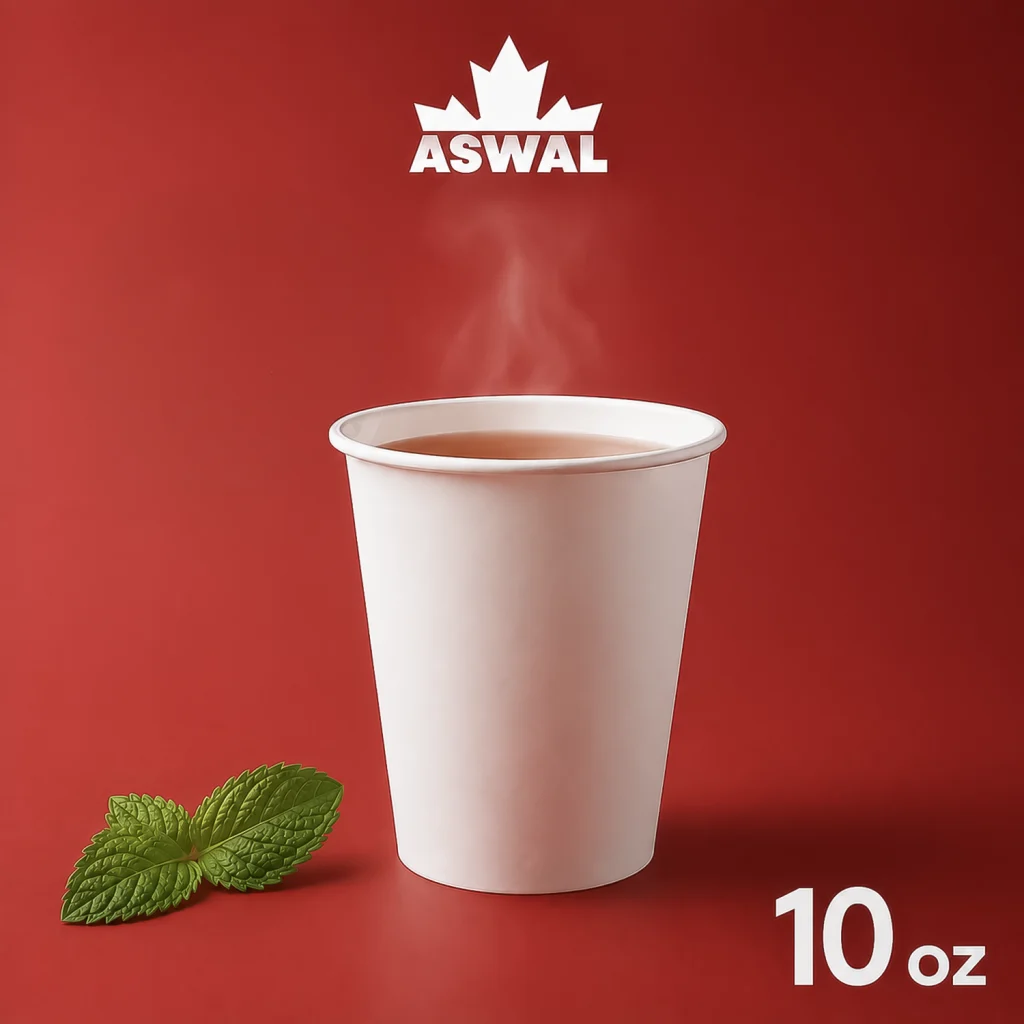
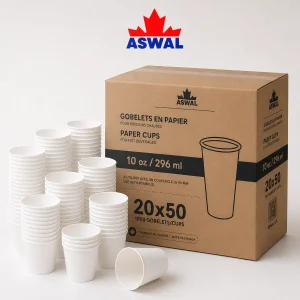
For coffee and tea, measure the usual portions before choosing a cup size. The ASWAL hot cup range includes 8 oz, 10 oz and 12 oz references that can provide starting points for equipment and recipe trials.
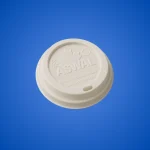
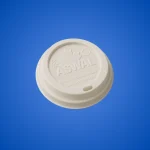
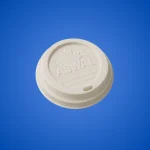
The 8 oz model has a listed diameter of 80 mm; the 10 and 12 oz models list 90 mm. Do not plan on a single lid for all three without checking exact references. Capacity in ounces and rim diameter describe different requirements.
For flavoured water, juice or another cold drink, assess a product intended for that application, such as the 12 oz cold paper cup. Where ice is part of the recipe, test the ice and liquid portions together.
Confirm the intended service with the exact product. A size being available in the catalogue does not establish compatibility with every machine or every hotel procedure.
Treat guest rooms as a distinct application
Evaluate a guest-room cup with the equipment installed in the room. Check the clearance below the outlet and the volume delivered by the programmes guests will use. Appearance alone is not a reliable way to select a replacement for an existing cup.
Review how cups are stored, protected and replenished. If your procedure requires individual wrapping or a particular presentation, ask the supplier to confirm that requirement explicitly. A cup description should not be read as a promise of packing arrangements that it does not mention.
Include housekeeping staff in the trial. They need to identify the right item, follow your handling procedure and report an unexpected reference or shortage. An illustrated internal sheet can help prevent improvised substitutions.
Record the approved combination for each room type if equipment varies across the property. A renovation or equipment replacement is a useful point to recheck the cup choice rather than automatically carry over the previous reference.
Make breakfast and self-service straightforward
At a self-service station, guests often pick up a cup before reading instructions. Cup sizes and matching lids should be easy to identify. Try the arrangement with someone unfamiliar with the setup.
Allow room for the usual additions and display your filling instructions. For hot drinks, assess handling comfort and any suitable accessories required by your procedure. Single-wall construction is not a promise of a particular insulation performance.
Watch how staff replenish stacks as well. They should be able to refill the station without mixing references or obstructing the guest route. A labelled location for reserve supplies makes the process easier to follow.
Where several stations operate at once, keep their product names consistent. A cup called “breakfast medium” by one team and “lobby small” by another is harder to track than a shared product reference.
Plan meetings by break and by station
For a business event, request the programme, expected attendance and break locations. Two breaks in different rooms need a different stock arrangement from continuous service at one station.
Estimate demand from the planned service and your experience with comparable events. One attendee may take several drinks, while another may take none. Avoid turning the registration count into an automatic cup quantity without considering the programme.
If practical, distinguish event stock from the property’s everyday reserve. Record what returns to inventory after the final break. Those figures will make the next estimate more useful than simply repeating the original purchase quantity.
Nominate the person who will check supplies during the event. Knowing where additional cups and lids are held matters as much as having an adequate total quantity on site.
Keep the visual identity consistent
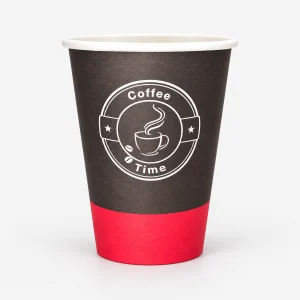
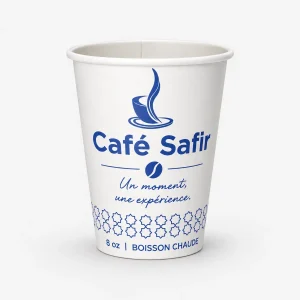
Custom cups may carry the hotel’s name or the identity of its café. Decide which brand belongs in each area before preparing artwork. Properties with several outlets should avoid unintentionally mixing their printed stock.
Event-specific artwork can be discussed subject to the terms confirmed for the project. Specify the desired receipt date, quantities and logo approval arrangements. A dated promotion should not accidentally end up on inventory meant for ongoing use.
Use Design My Cup to prepare a preview. It provides a useful way to discuss logo placement, while final print approval remains a separate step.
Bring ordering information into one record
Combine each team’s needs in a shared table: cup reference, lid, observed usage, storage location and responsible person. This makes it easier to identify where purchasing can be combined because the products are actually the same.
Ask the supplier to confirm case packing, storage guidance, delivery arrangements and the applicable replenishment schedule. For printed cups, account for artwork preparation and approval in your planning as well.
Prepare a hotel-specific request for a quote
A suitable range supports both the guest experience and the teams providing it. It matches the recipes, fits the equipment and can be replenished clearly across the property.
Review the ASWAL catalogue, then request a quote with your service areas, shortlisted sizes and meeting requirements. Those details allow a useful discussion without assuming every part of the hotel needs the same cup.