Buying paper cups in bulk in Quebec takes more than choosing a size and comparing case prices. For cafés, restaurants and distributors, a well-planned order should match the drinks being served, sales volumes and available storage.
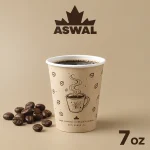
ASWAL manufactures paper cups in Montreal. This practical guide explains how to plan purchases of standard or custom-printed cups and prepare a clear quote request.
1. Start with the drinks you actually sell
List your drinks and usual portions: espresso, filter coffee, lattes, tea or cold beverages. Note whether customers drink on site or take their order away. Nominal cup capacity does not tell the whole story: ice, foam and space beneath the lid affect the usable serving volume.
Before placing a large order, ask how to validate the selected cup under your serving conditions. Check handling, the intended hot or cold use and lid compatibility. Using fewer sizes can simplify purchasing, provided they still suit your menu.
2. Calculate quantities for each size
Use recent sales to estimate consumption for each item. Separate cup sizes and locations: an overall average may hide a shortage of small cups alongside excess large-cup inventory.
Order requirement = expected consumption + desired reserve − usable stock − confirmed incoming deliveries. Then adjust to the supplier’s available case quantities.
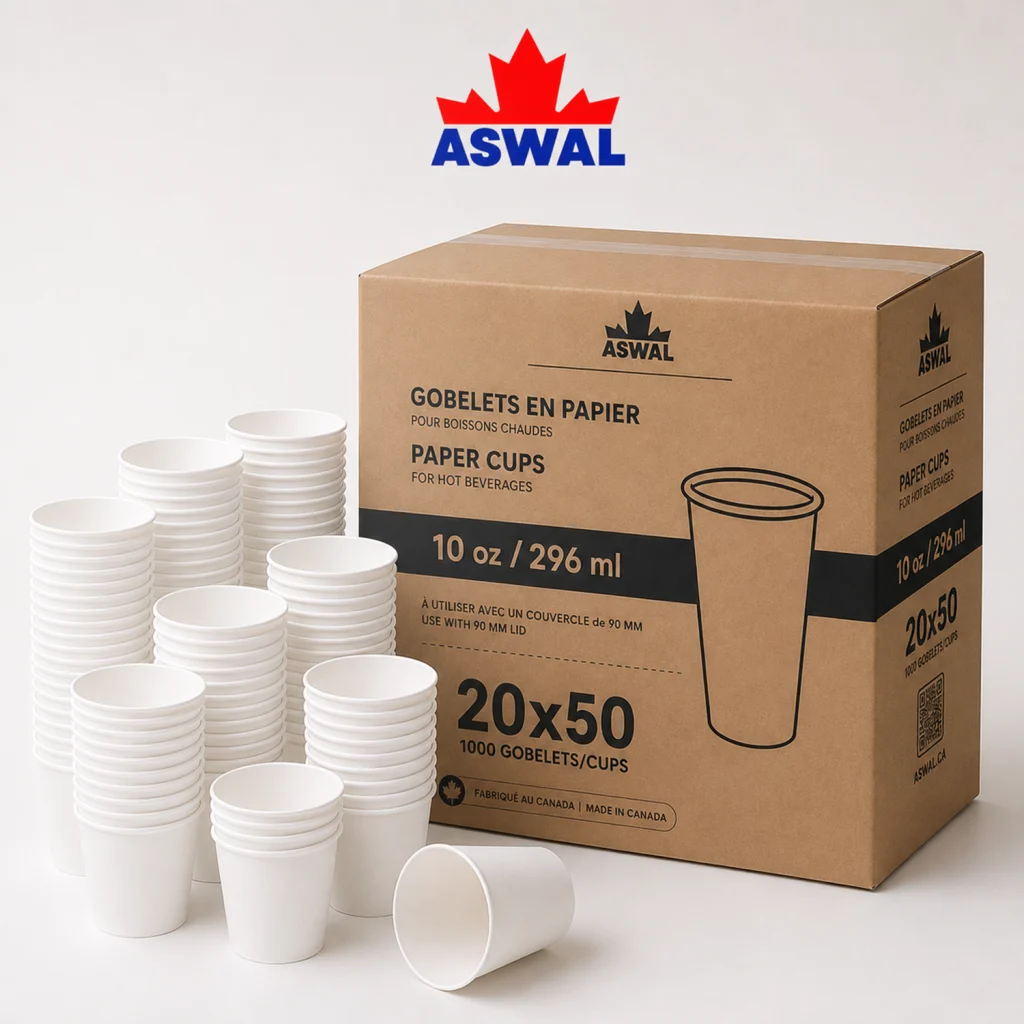
Illustrative example: a café uses 150 cups of one size daily and opens 26 days per month. Monthly consumption is 3,900 cups. With a chosen reserve of 600 and 500 cups already available, the requirement is 4,000 cups. If that item comes in cases of 1,000, the order would be four cases. This example is neither an ASWAL minimum order nor a universal inventory recommendation.
3. Separate case quantities, pallets and printing minimums
Cups per case, cases per pallet and the minimum quantity for custom manufacturing are three different figures. Confirm each one for the selected item before comparing offers.
Plan clean, dry storage that follows the supplier’s instructions. For multiple locations, specify whether you need centralized receiving or separate deliveries. Delivery arrangements and charges should be confirmed in the quote.
4. Choose plain or custom-printed cups
A plain white cup can serve several locations or support a branding transition. Printed cups display your identity with every drink, but require artwork preparation and production approval.
For custom orders, provide your logo, desired colours and number of artwork versions. Confirm minimums per size and design, any setup charges and the approval schedule. Standard-stock conditions do not automatically apply to printed orders.
5. Compare the complete order cost
Compare quotes using identical quantities and specifications. Review the price per 1,000 cups, then account separately for lids, printing or setup charges, shipping and applicable taxes. Check payment terms and the quote’s validity period as well.
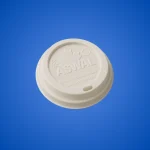
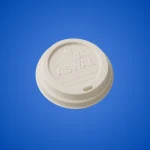
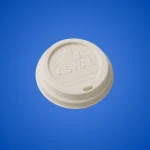
Lids are sold separately. Confirm compatibility with the exact cup reference: capacity in ounces alone is not enough to select a lid.
6. Set a reorder point
Choose a stock level that triggers your next order. A useful starting point is expected consumption during the confirmed replenishment lead time, plus a reserve suited to sales variations. Review it before a busy season, event or new-location opening.
Ask about artwork approval, production and shipping times separately. Confirm the expected arrival date before committing to a campaign that depends on the cups.
What to include in your quote request
- Cup sizes and intended hot or cold use.
- Quantities by item, design and location.
- Plain or custom-printed options, logo and colours.
- Required lid references and quantities.
- Delivery postal code, receiving requirements and preferred arrival date.
- Estimated regular consumption for recurring orders.
For more help choosing cup options, read our guide to paper cups in Montreal.
Request an ASWAL quote
Pricing, minimum quantities, availability and lead times are confirmed for your project.