Custom Paper Cups for Events: Choosing the Right Sizes
An event may need morning coffee, afternoon cold drinks and several serving stations. Choosing one large cup for everything can make the order list look simple while making portions and service harder to manage. A useful range starts with the actual event schedule.
For branded cups, the printed message, partner logos and stock left after the event also matter. This guide offers a practical way to choose sizes and prepare a clear request for ASWAL.
Map the beverage service
Begin with the program: registration, breaks, meals, outdoor activities and departure. For each stage, identify the drinks, service duration and likely number of people using the station. Total attendance alone does not describe expected beverage consumption.
Map the serving locations as well. Three counters operating at the same time need a different stock arrangement from one central station. Identify who will replenish each location and where cartons will be kept during the event.
This service map helps define the cup sizes that are actually useful. It also gives you something concrete to review with the caterer or venue before developing artwork for a range that may not match the final beverage menu.
Connect sizes to the planned drinks
| Service occasion | Size to assess against the portion | ASWAL reference |
|---|---|---|
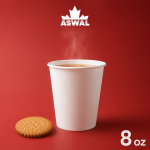
| Welcome coffee | Smaller hot format | 8 oz Hot Paper Cup, Ø80 mm |
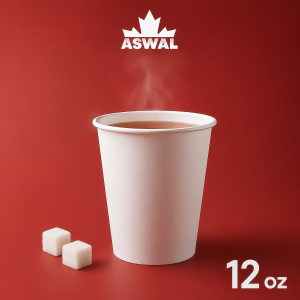
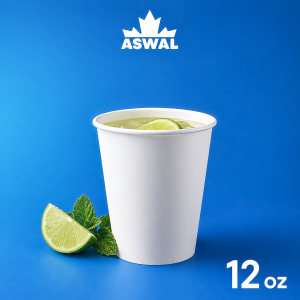
| Coffee or milk-based drink at a break | Intermediate hot format | 12 oz Hot Paper Cup, Ø90 mm |
| Larger hot beverage | Higher capacity | 16 oz Hot Paper Cup, Ø90 mm |
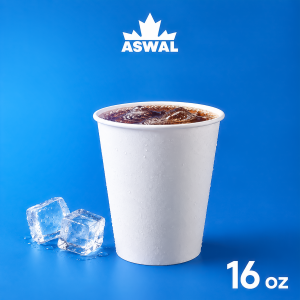
| Cold drink over ice | Cold format suited to the recipe | 16 oz Cold Paper Cup, Ø90 mm |
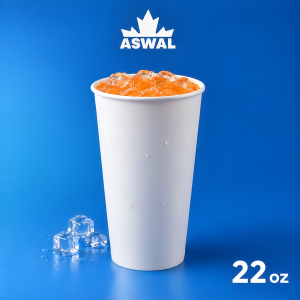
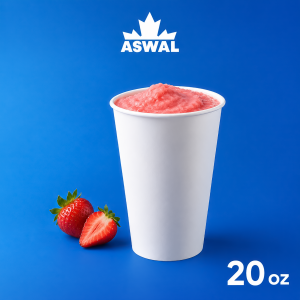
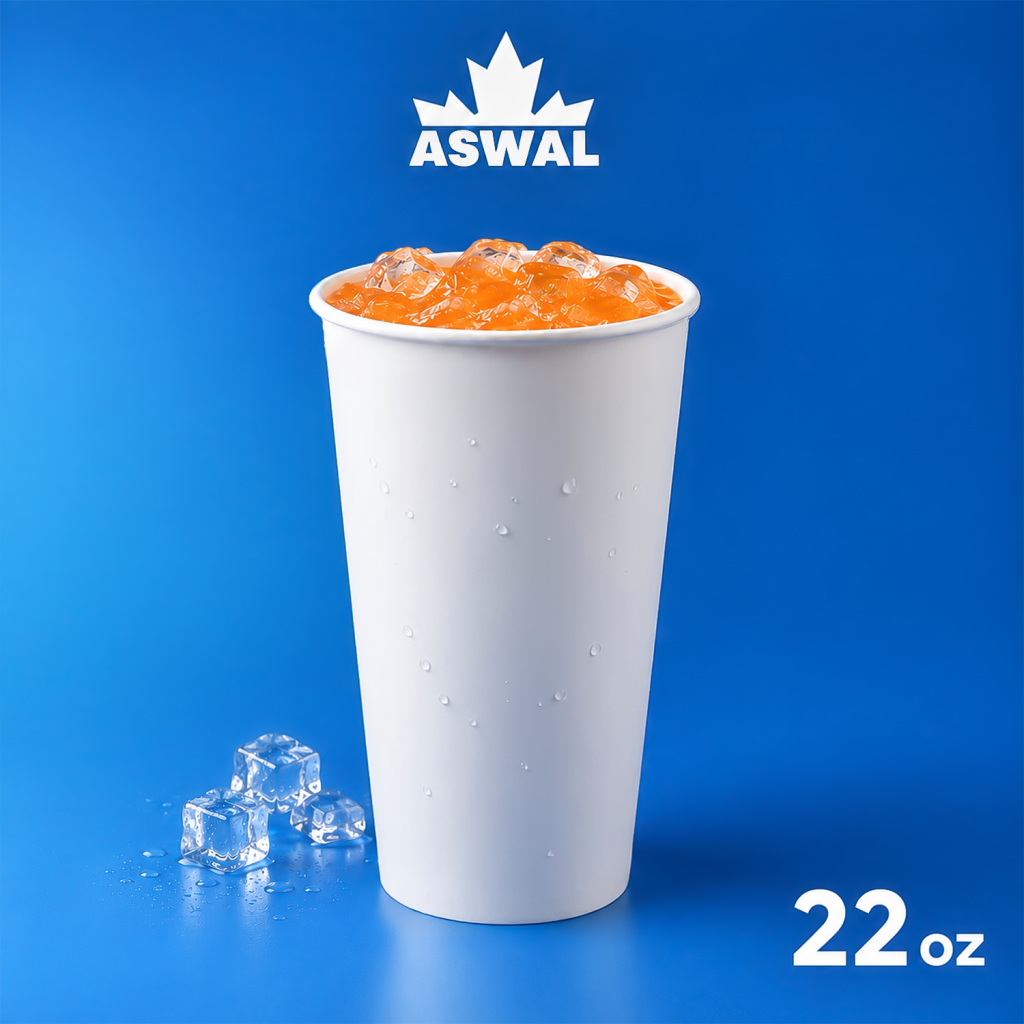
| Larger cold serving | Capacity to check with the service team | 20 oz Cold Paper Cup or 22 oz Cold Paper Cup |
These are products to assess, not prescribed serving sizes. Prepare the planned recipes with the agreed amounts of liquid, foam or ice. Nominal cup capacity should not replace checking the complete portion.
If the program involves sampling rather than full drinks, describe that requirement to ASWAL. A large cup should not be selected solely to provide more room for a logo. The format still needs to suit how participants will receive and consume the beverage.
Estimate quantities by service period
Separate expected attendance, drinking opportunities and the estimated share of each beverage. A simple worksheet can give each service period and cup size its own row. Add a column for actual usage afterwards so the next event benefits from the information.
For example, an event expecting 200 participants might use 150 welcome coffees as a planning assumption. Record 150 as an estimate for that service, not as guaranteed demand. A second break needs its own estimate. This avoids ordering every format as though every participant will choose it at every opportunity.
Discuss an appropriate allowance with the organizing team based on registration uncertainty and replenishment options. One universal percentage does not suit every event. Include the requested quantities in your enquiry and confirm the applicable ordering arrangements with the supplier.
Plan lids around how people move
A coffee served in a seated room and a drink carried to the next presentation have different handling contexts. Decide which services are intended to use lids, then confirm the combination for each cup reference.
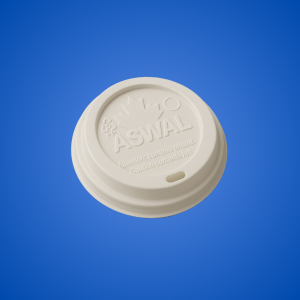
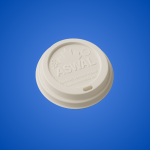
Review ASWAL’s lid range. The 8 oz hot cup is listed as Ø80 mm, while the lids shown in that category are Ø90 mm. Ask about the appropriate option for the smaller cup instead of assuming one lid fits every event size.
For cold beverages, explain whether a straw or topping is part of the recipe. Confirm the opening style and required accessories before setting up the stations. Product wording should not be treated as evidence that a separate accessory is included in the order.
Choose artwork with a useful lifespan
An event name and date may be appropriate for a particular edition. They can also make leftover cups less reusable afterwards. Compare dated artwork with an organization-focused design, especially if several activities are planned during the year.
For sponsors, collect approved logos and presentation requirements. Assign someone to confirm their position and size. A late partner change should be raised before final artwork approval, with any implications for the project discussed rather than assumed.
Keep the message readable. Participants see the cup while holding it and moving around; a dense list of partners may be difficult to read. Establish a hierarchy between the event identity, main message and secondary information instead of giving every element the same prominence.
Prepare the concept and quote request
Use Design My Cup to show the visual direction. Associate each preview with the relevant size and identify which elements have already been approved. Production files and printing approval remain separate steps to confirm with ASWAL.
Provide the event date, delivery address, requested quantity by size and receiving requirements. Confirm the feasibility of the schedule before treating supply as secured. A lead time should not be inferred solely from the manufacturer’s location.
If cartons are going to several sites, describe the allocation. The receiving contact should know which products to expect and which service they support. Clear delivery information is especially useful when volunteers or temporary staff will be organizing the stations.
Prepare the event-day routine
Label stock by size, beverage use and serving location. Keep the approved cup-and-lid combinations available to station leads. Explain the intended portions so each team prepares the same recipe even when staff change during the day.
Check the venue’s collection arrangements before printing or displaying an environmental message. A paper cup should not be described as recyclable or compostable at the event without information applicable to the product and the facilities actually available.
Afterwards, record remaining quantities by reference and note any periods when a station ran short. These observations make the next order more precise and help decide whether a size should be retained, replaced or allocated differently.
Build the order around the program
Useful event cups fit the drinks, movement and pace of the occasion. Explore ASWAL’s products, prepare the artwork concept and request a quote with your service worksheet. You can then confirm sizes, lids and printing against a concrete plan, with responsibilities clear before the event begins.