Hot and Cold Paper Cups: What Is the Difference?
A 16 oz cup for hot coffee and a 16 oz cup for a cold beverage can have the same stated capacity without being the same product. Choosing correctly means checking the listed use, described construction and matching lid, then reviewing the drink you actually serve.
ASWAL separates hot and cold paper cups in its catalogue. Keep that distinction in your order: similar appearance and nominal volume are not enough to establish that two references are interchangeable.
Begin with the listed beverage use
Look for “hot” or “cold” in the product name and category. That identifies where the reference belongs in the range. If your intended application is unclear, ask before ordering instead of inferring performance from a photograph.
ASWAL’s hot paper cups and cold paper cups appear in separate categories. The reviewed listings describe white, single-wall cups with a PE designation. Those details alone do not establish a maximum temperature, holding time or every manufacturing difference between the ranges.
Do not assume that one family has an extra coating or a particular thickness unless the product information states it. Where a technical requirement matters to your service, request the information for the exact reference you are considering.
Compare equal sizes as separate products
| Detail | Hot cup example | Cold cup example |
|---|---|---|
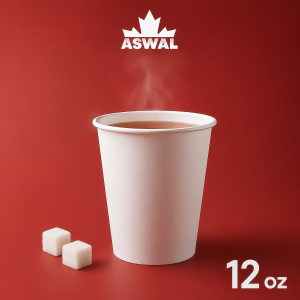
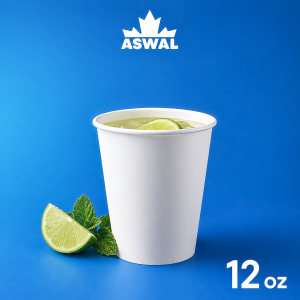
| Reference | 12 oz Hot Paper Cup | 12 oz Cold Paper Cup |
| Listed capacity | 12 oz | 12 oz |
| Listed diameter | Ø90 mm | Ø90 mm |
| Product family | Hot beverages | Cold beverages |
| Service check | Hot recipe and associated lid | Cold recipe, any ice and associated lid |
The comparison shows why ounce size is not a complete product identifier. Two references can share a capacity and diameter while being listed for different uses. Keep the full product name in purchasing records and in instructions for the service team.
If your menu includes both hot and cold drinks, give the products separate lines in the ordering sheet. A single total labelled “12 oz cups” can cause confusion when replenishing stock or checking a delivery. The distinction should remain visible even when the two ranges use similar packaging.
Measure the complete serving
A hot drink may combine coffee, milk and foam. A cold drink may include ice or a topping. Nominal cup capacity does not tell you how much liquid your team will actually pour in either case.
Prepare representative recipes using the same tools used during service. Record the portion, fill level and room needed for closure. For iced drinks, distinguish the liquid portion from the ice portion. This makes it possible to compare sizes without unintentionally changing the recipe promised to the customer.
The largest size is not automatically the best solution. Capacity should fit the menu, portion pricing and preparation routine. Those are decisions about your beverage offer; they then guide product selection. Choosing a cup first and adjusting every recipe to fill it can make portions harder to manage.
Review the sizes actually listed
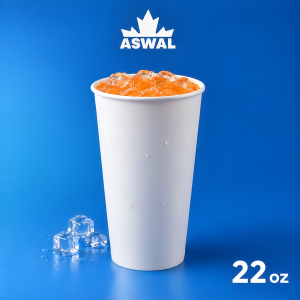
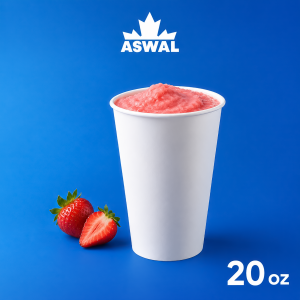
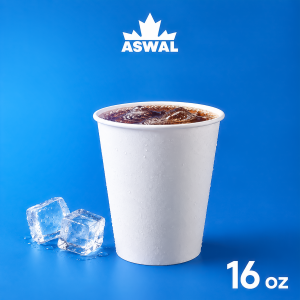
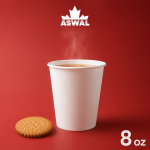
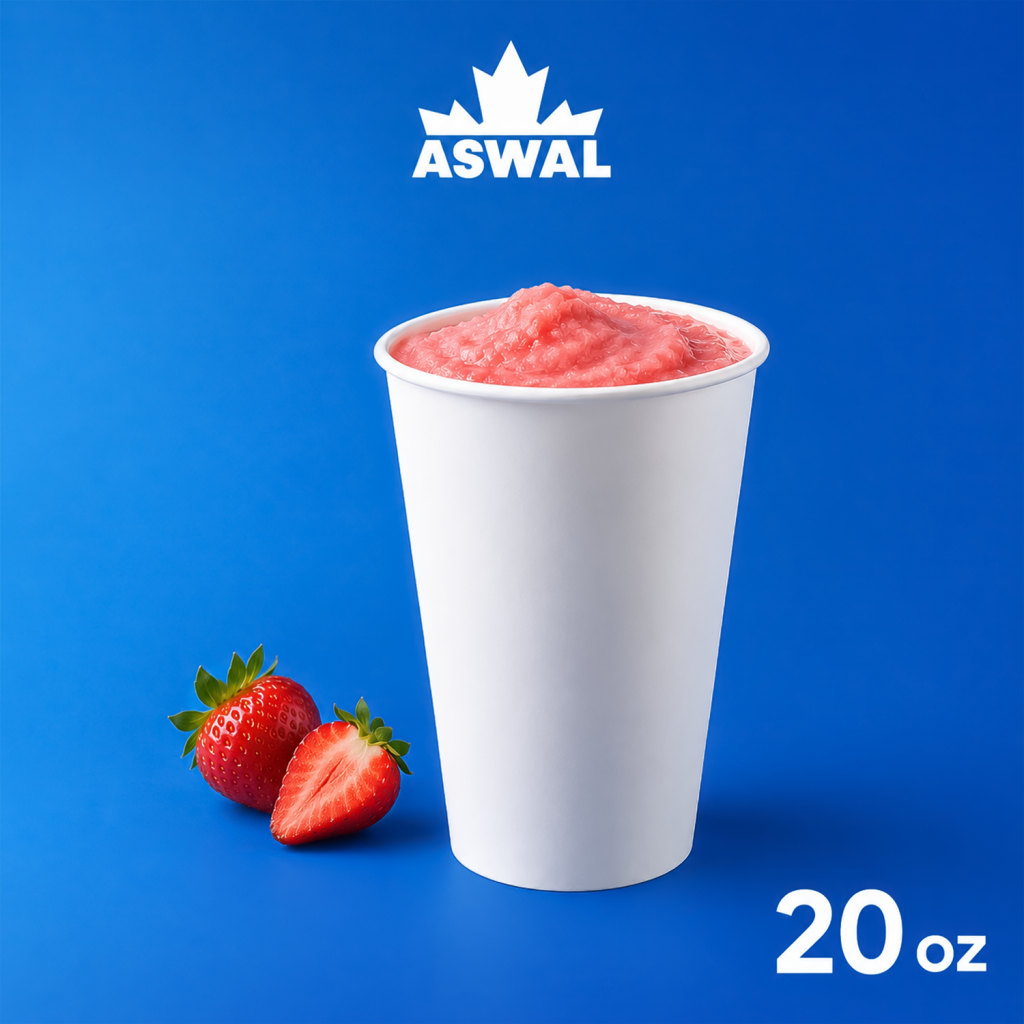
ASWAL’s reviewed hot range includes 8, 10, 12, 16, 20 and 22 oz cups, among other listed formats. The reviewed cold range contains 10, 12, 16, 20 and 22 oz. Do not add an 8 oz cold cup to your purchasing plan simply because an 8 oz hot cup exists.
For larger cold drinks, review the 20 oz Cold Paper Cup and 22 oz Cold Paper Cup. The 20 oz Hot Paper Cup is a separate reference for the hot range. These are catalogue products to assess, not universal recommendations for every recipe served in those volumes.
Ask for further dimensions if equipment, drink carriers or storage space impose specific limits. Nominal capacity alone does not describe the complete external size of a cup or confirm how it will fit a particular dispenser.
Select the lid with the cup
Closure belongs in the product decision. Identify the diameter, then the lid reference intended for the hot or cold application. Confirm the exact pair even when several products are labelled Ø90 mm.
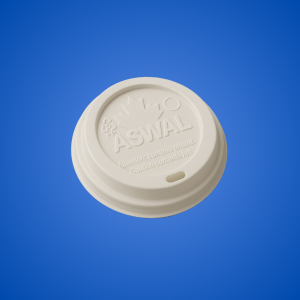
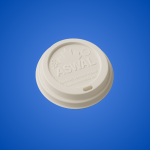
The catalogue includes a Hot Lid, Ø90 mm and cold-drink lid options. The opening and drinking method need to match your service. A drink served with a straw raises different questions from one where the customer is expected to remove the lid.
The 8 oz hot cup is listed as Ø80 mm. It should not automatically be paired with an Ø90 mm lid. Confirm the appropriate option before building an order around that size, and keep the approved combination in the purchasing record.
Run a practical service check
When evaluating a combination, involve the person who normally prepares the drinks. Use the intended recipes and accessories, and follow your establishment’s handling procedures. Record observations against each product reference rather than relying on memory after the trial.
- Does the cup fit the portion shown on the menu?
- Does it close properly with the selected lid?
- Does the recipe leave the room needed at the top?
- Does the product fit the supports used in service?
- Can staff distinguish the hot and cold references easily?
An operational trial helps with selection and service organization. It does not replace technical information required for a particular application, nor does it establish undocumented performance claims. Raise specific requirements with the supplier before treating them as confirmed.
Keep customization records clear
You can use a coordinated visual identity across hot and cold drinks while keeping the product references separate. Assign each artwork file to its cup size and product. If the same brand appears on several formats, maintain a list of approved versions so staff and purchasing teams can identify them correctly.
Develop the visual idea with Design My Cup, then confirm printing options for the selected products. A common design should not obscure information the team needs to choose the correct cup during preparation.
When reordering, state whether the request repeats the same hot and cold references or changes one of them. A change in beverage service may require a product review even if the brand artwork is unchanged.
Order the appropriate product family
The main distinction is the identified use and complete product reference. Review ASWAL’s catalogue, measure your recipes and request a quote that separates hot and cold requirements. You can then confirm lids and customization against a clear list of products instead of relying on capacity alone.