When Should You Choose a 16 oz Paper Cup?
A 16 oz paper cup should support a defined serving, rather than simply add a “large” option to the menu. It may meet demand for a more generous drink, but the recipe, ice portion and takeout arrangement all need to be checked.
Use this guide to decide whether the format has a practical role in your range and to compare ASWAL’s references without confusing hot and cold applications.
Start with the reason for adding the size
A new format may answer repeated customer requests, accommodate a particular recipe or support a change in your offer. Describe that need before selecting the cup. You will then know what the trial is meant to establish.
If you already sell a neighbouring size, look at sales and customer questions. Are people asking for a larger portion, more ice or a different drink? Those requests do not necessarily lead to the same recipe.
Define the role of 16 oz on the menu. It can be available for selected drinks rather than automatically offered across the entire range. A useful size is one staff can explain clearly.
If the change is seasonal, identify when it will be reviewed. That gives you a sensible point to compare expected demand with actual orders before committing to the same inventory pattern throughout the year.
Choose the hot or cold reference first
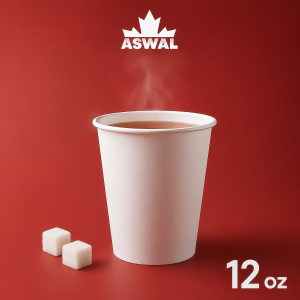
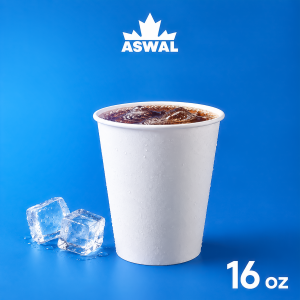
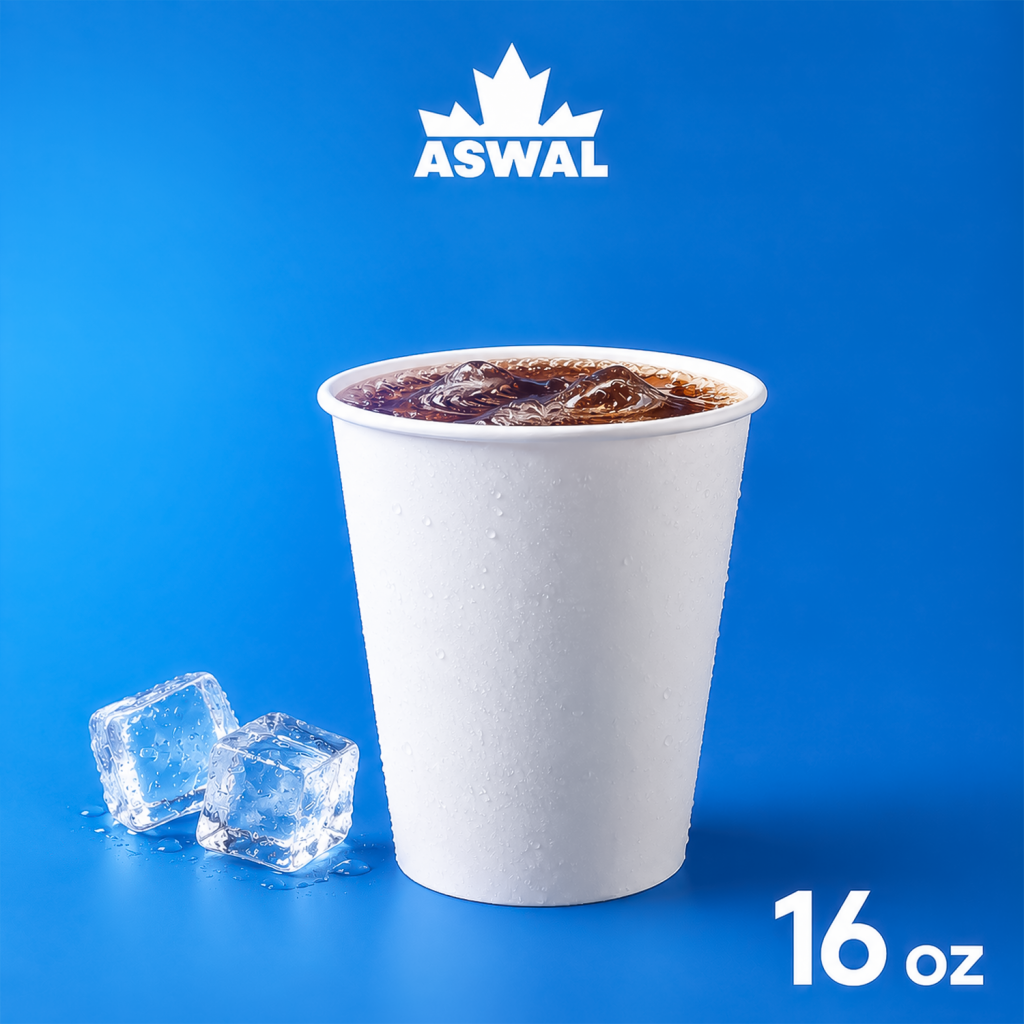
ASWAL lists a 16 oz hot paper cup and a separate 16 oz cold paper cup. Both pages describe a white model, single-wall construction, PE-coated paper and a 90 mm diameter.
Those similarities do not make the references interchangeable. Keep the intended application in the purchasing name and confirm any use that is not covered by the product description.
| Project | Reference to assess | Main question |
|---|---|---|
| A larger coffee or tea serving | 16 oz hot cup | Does the finished recipe leave enough room for the lid? |
| Iced coffee or another cold drink | 16 oz cold cup | How much space do ice and additions occupy? |
| Replacing an existing model | The reference matching the application | Do dimensions and accessories suit the current routine? |
The listed 90 mm diameter helps identify accessories to examine. The exact cup-and-lid combination still needs confirmation for the selected references.
Iced coffee needs a repeatable preparation method
An iced drink is more than a measured amount of coffee or milk. Ice takes up some of the container’s space, and cube size or filling technique can change the result.
Prepare the recipe as you would during service, using the intended ice portion. Record the resulting level and the room remaining for closure. Have several team members repeat the process to check whether the instructions are clear enough.
If you offer “less ice” or “no ice,” decide how those requests will be handled. The portion, presentation and explanation to customers should remain consistent. Define the approach instead of leaving each person to interpret the order differently.
Also check the chosen lid. A straw opening and a closure without a straw opening support different arrangements. A product’s commercial name should not replace checking the actual design.
Hot drinks need a balanced recipe at the larger size
A larger serving calls for its own recipe. Increasing only one ingredient may change the drink customers expect. Approve the complete preparation before adding the size to the menu.
Check clearance under the equipment, the level after additions and comfort when handling the cup. ASWAL describes the hot model as single wall; that does not establish a particular insulation performance.
Assess any accessories required by your procedure and request confirmation of undocumented requirements. A useful trial follows the drink through to handover rather than stopping as soon as the cup has been filled.
Include staff feedback about recognising the new size during a rush. If two products look similar in a stack, a clearer storage arrangement may be needed even when the recipe itself works well.
Compare 16 oz with neighbouring formats
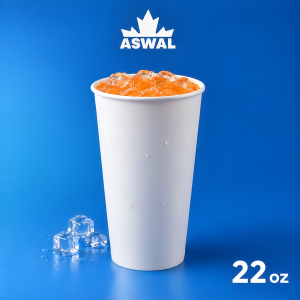
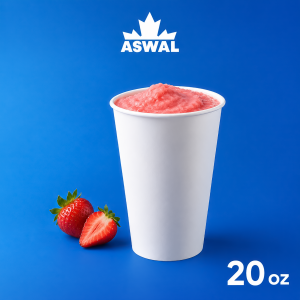
If the recipe leaves substantial unused space, assess the 12 oz cold cup, or the corresponding hot reference for a hot application. Where the complete cold recipe needs more room, consider the 20 oz cold cup and 22 oz cold cup.
Do not move to a larger format solely to compensate for inconsistent filling. First establish the recipe and ice portion. A different container will not, by itself, correct a preparation method that changes from one order to the next.
Compare presentation and the space each format takes at the station. The decision should work for both the menu and the operation, rather than simply pass one isolated trial.
Review transport and storage
Place the filled cup in the carrier your business actually uses. Check its support, access during handover and fit within orders containing several drinks.
For storage, request the case-packing information for the selected reference. Nominal cup capacity does not tell you the dimensions of a carton or the space needed for a full delivery.
Keep hot and cold references distinct. Clear labels at the preparation station and in the purchasing record help prevent another product of the same capacity being used by mistake.
Consider the transition from your previous model if this is a replacement. Identify which lids belong to each cup and avoid combining accessories on appearance alone.
Review demand after introducing the format
Track 16 oz sales separately from the other sizes. Note the drinks ordered, requests for changes and feedback from staff. These observations will show whether the format answers the need that prompted its introduction.
Adjust purchasing allocations using actual consumption and the confirmed replenishment schedule. A new size should not automatically be assumed to become the bestseller.
For custom printing, review logo readability while the cup is held and while any service accessories are in place. Check the design on this format even if the same brand already appears on another cup.
Discuss your 16 oz selection with ASWAL
Choose 16 oz when the recipe, demand and service routine support that capacity. Then confirm the application, lid and remaining order details.
Prepare a visual in Design My Cup, then request a quote with the hot or cold reference, quantities and delivery location. A documented service trial will give the discussion a more precise starting point.