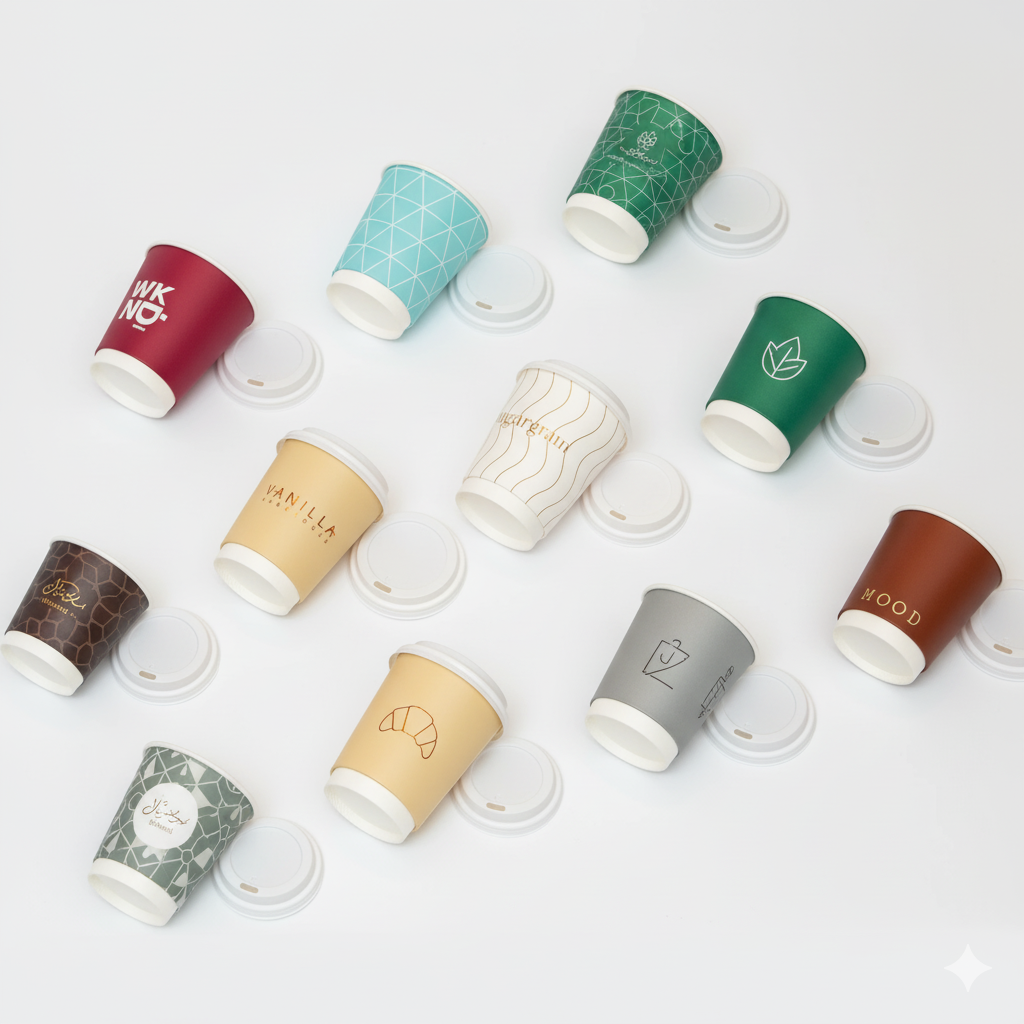
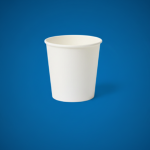
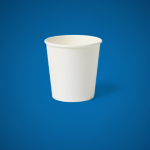
Paper cups have become an ambiguous symbol of our time: practical and familiar, yet often criticized for their environmental impact. Between hard to recycle plastic linings, sorting confusion, and greenwashing, the promise of truly sustainable paper is still being tested. Yet innovation is accelerating and regulations are tightening, creating a window to rethink both the product and how it is used.
Toward truly sustainable paper cups
The first battle is materials and design. The classic cup combines certified virgin fiber with a thin plastic lining, usually PE, that provides leak resistance but makes recycling far more difficult. The next generation is moving toward water based barrier coatings, biopolymers that are easier to separate, and designs that aim for simpler fiber recovery. This is not only theoretical. The quality of recovered fiber determines whether real cup to cup recycling can work, meaning whether old cups can become new cups again.
In parallel, sustainability depends on the system the cup lives in. A cup that is technically recyclable only matters if it is collected properly, routed to the right facilities, and actually recycled. That is where source separation programs change the equation, through dedicated bins and partnerships with cafés, stadiums, offices, and venues. They reduce contamination and make the recycling stream more economically viable. Pilots in campuses, transit hubs, and festivals show that logistics matters as much as materials science.
Usage and trade offs still matter. For takeout, lighter cups without PFAS and with lower impact hydrophobic barriers can reduce footprint, if they are captured at high rates for recycling. For on site consumption, washable reuse systems often outperform paper after a few dozen uses when washing is efficient. The future of paper cups will be defined by the combination of lean materials, smart collection, and a clear role alongside reuse.
Regulations and alternatives: the road to 2030
By 2030, Europe and France are tightening the framework. Between the EU single use plastics directive, packaging reduction targets, and France’s AGEC law that promotes reuse and sets a long term path away from single use plastic packaging, composite paper plastic cups are under pressure. Several countries are restricting or considering restrictions on substances of concern such as PFAS in food packaging. As a result, the market is shifting toward fluorine free coatings, less problematic inks and adhesives, and stronger proof of compostability or recyclability.
These constraints are also speeding up complementary alternatives. Reuse is growing for on site consumption through deposit based rigid cups and reusable offering requirements in certain settings. For takeout, deposit networks are expanding, while dedicated take back solutions for paper cups are emerging in offices and event settings. Manufacturers are also exploring agricultural residue fibers, mineral or water based barriers, and coating processes that use less energy, reducing impacts at the source.
The 2030 horizon will be judged on three proofs: traceability, meaning where the fiber comes from and where it goes next, performance, meaning leak resistance, taste neutrality, and food safety without undesirable additives, and end of life, meaning real collection rates and effective recycling or recovery. The players who can align these three dimensions, with simple user sorting and solid economics for operators, will turn paper cups from a problematic symbol into a tangible transition tool. In that scenario, the paper cup is no longer just a disposable item. It becomes a controlled part of a circular system.
Paper cups will only have a sustainable future if the paradigm changes: better design, better sorting, better recovery, and use only where they are truly relevant compared to reuse. With materials innovation, dedicated collection networks, and tighter regulations, the decade ahead can transform an everyday object into a driver of circularity. The real question is no longer paper or not, but what ecosystem ensures a cup does not end up in the trash, or in nature, after only minutes of use.
 EN
EN  FR
FR