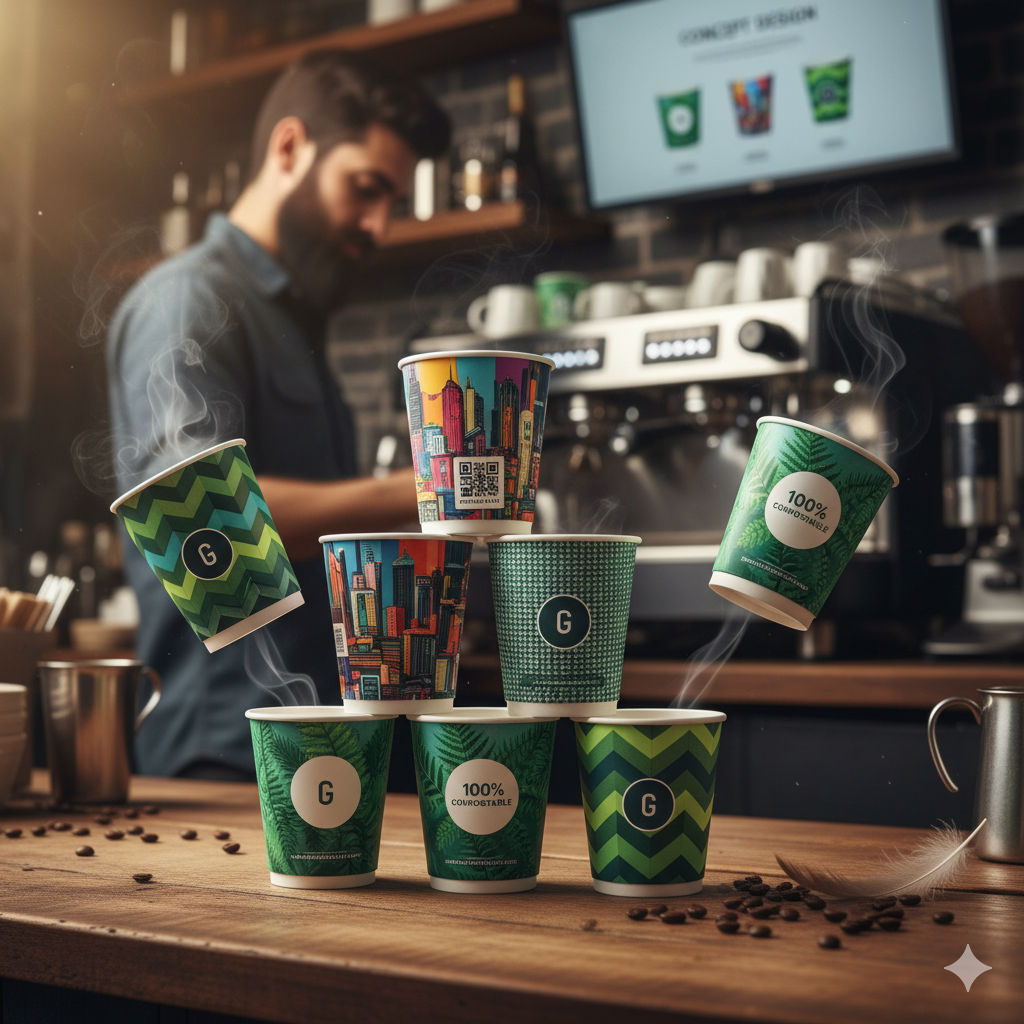
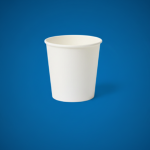
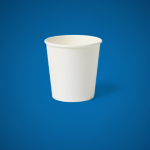
The customizable paper cup has become a communication tool that is practical, sustainable, and surprisingly powerful. Whether it is a neighborhood café, a restaurant chain, a pop up store, or a festival, this everyday item turns every drink into a visibility opportunity. Here is how and why to adopt it, along with clear design tips to maximize your brand impact.
Why choose a customizable paper cup
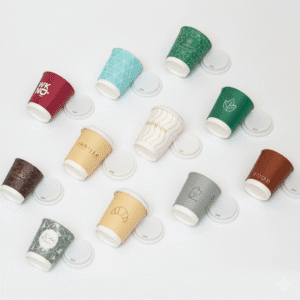
A customizable paper cup offers a full 360 degree branding surface that captures attention in customers’ hands, on the street, in social posts, and on desks. Unlike a static poster, it travels and gets shared naturally, creating organic word of mouth. Sharp printing, consistent colors, and a clear message turn every coffee break into a mini brand experience.
It can also align with credible sustainability goals. Depending on the barrier used, such as water based coating, PE, or PLA, a paper cup may be recyclable or industrially compostable. The key is to clearly communicate local disposal instructions to avoid greenwashing. Choose certified paper sources such as FSC or PEFC, use water based inks suitable for food contact, and confirm compliance with the regulations that apply to single use items in your market.
Operationally, paper cups fit your marketing cycles. You can run limited editions for a launch, seasonal variations, or event and city specific designs. Digital printing makes smaller quantities and variable content possible, including QR codes or promo codes, without driving costs up. Easy to store, lightweight, and stackable, paper cups simplify logistics while enabling measurable results such as scans, user generated content, and campaign lift
Design tips to boost brand impact
Aim for instant readability with a well sized logo, a clear hierarchy that shows logo, message, and call to action in order, and strong contrast. Think in the round since the cup is cylindrical. Place elements so your message is visible from multiple angles. Respect safety areas, bleed, and technical minimums like line thickness and font size to avoid smudging, especially with hot drinks or condensation.
Choose colors that suit the material. White paper gives the most accurate color rendering, while kraft naturally shifts the palette. Test Pantone references and expect slight variation depending on water based inks and the finish, whether matte or satin. Avoid full coverage ink blocks over large areas to reduce ink use, support recyclability, and keep a premium feel.
Use content to drive interaction. Add a QR code that leads to an offer, a sourcing story, a loyalty program, or a playlist, and pair it with a clear action verb. Include legal and use information such as disposal guidance, hot content warnings, and volume, plus fill lines if helpful and your social handles. Keep accessibility in mind with readable type, strong contrast, and clear icons. Encourage user generated content with a short memorable hashtag.
A customizable paper cup is an agile medium that combines visibility, brand consistency, and environmental responsibility. When well designed, it turns every sip into an experience, every customer into an ambassador, and every campaign into actionable data. Choose certified materials, a clear message, and careful execution, and your brand will stand out, get shared, and stay remembered.
 EN
EN  FR
FR