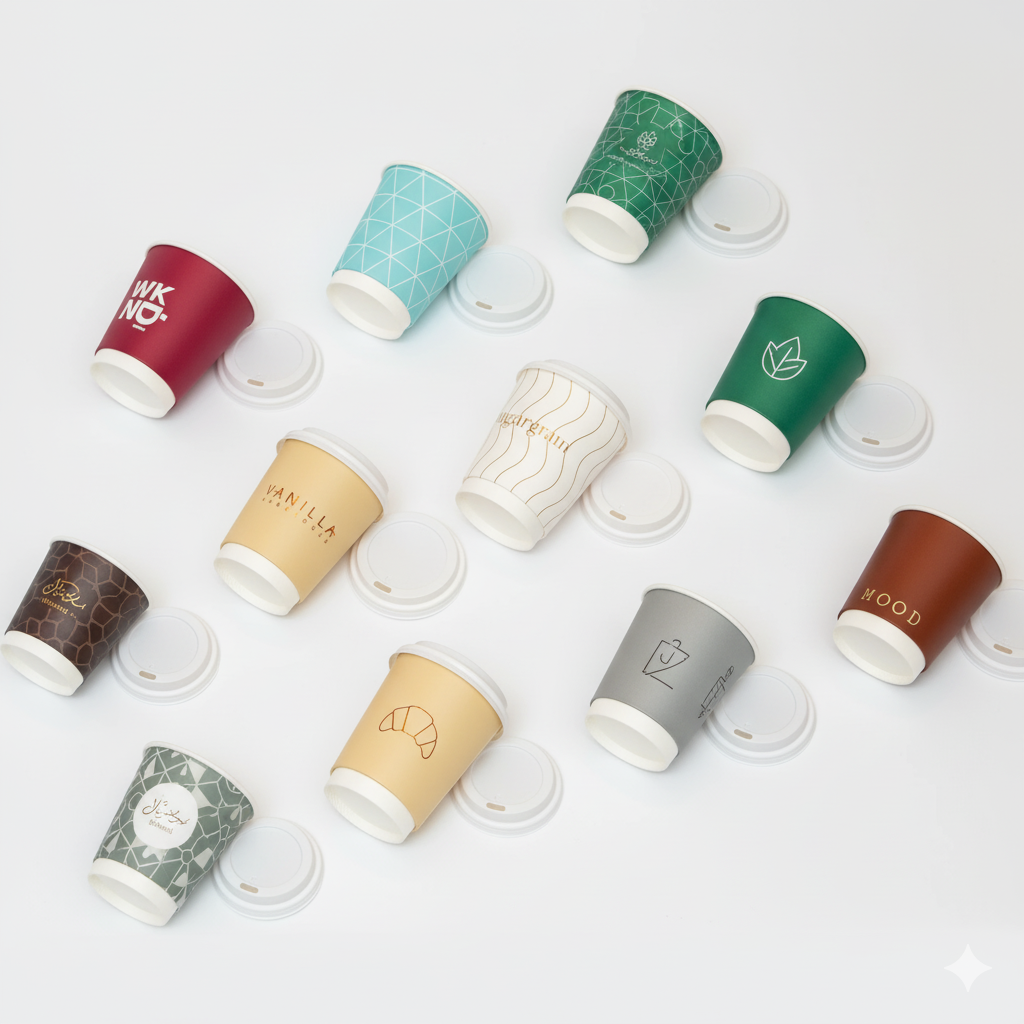
Sustainability is no longer a slogan. It is reshaping the rules of the game. One of the fastest and most visible levers is sustainable packaging, now a competitive advantage that can reduce costs, secure supply chains, and build brand preference. Far from a nice to have, it is a strategic decision that impacts the product, logistics, marketing, and the customer relationship.
Why sustainable packaging is becoming strategic
Regulatory pressure is increasing, turning packaging into a compliance issue as much as a performance one. With targets to cut plastic, recyclability requirements, and extended producer responsibility systems, every packaging choice has a direct impact on the P and L. Companies that anticipate these requirements gain agility, avoid corrective costs, and protect access to the most demanding markets.
Beyond regulation, raw material volatility and logistics disruption make leaner, locally sourced packaging more resilient. Using less material, standardizing formats, choosing recyclable mono materials, or building reuse models reduces exposure to price spikes and improves operational flow. This operational simplicity also pays off in the warehouse and in transport. Less empty space shipped means fewer damages and fewer returns, which lowers costs.
Consumers increasingly choose based on proof, not promises. Clear, eco designed, informative packaging, for example with a traceability QR code, builds trust and perceived value. It improves the user experience, makes sorting easier, and supports product desirability. In a crowded aisle, sustainable packaging becomes a signal of quality and responsibility, helping at the moment of purchase and supporting long term loyalty.
From hidden cost to competitive advantage
For a long time, packaging was treated as a cost center to optimize slightly. Yet the hidden costs linked to packaging decisions are significant: transport damage, oversized packs and excess weight, retailer penalties, overstocking, SKU complexity, customer returns, and brand damage. Shifting from unit price to total cost of ownership shows that well executed eco design can lower the overall bill.
The gains are real and often fast. Right sizing can reduce shipping costs and damage rates substantially. Mono materials make sorting easier and can raise recycling rates while lowering end of life costs. Reuse, when it makes sense, reduces packaging cost per cycle and creates more frequent touchpoints with customers through returns, deposits, and services. Even in ecommerce, packaging designed for easy opening and returns reduces friction and improves satisfaction.
This becomes a competitive advantage when it connects to business outcomes: higher online conversion with a responsible unboxing experience, better shelf efficiency through optimized formats, access to demanding labels and marketplaces, reduced regulatory risk, and a credible brand story. A winning roadmap combines an LCA diagnosis, co design with product and logistics teams, fast pilots, shared KPIs such as cost, CO2, damage rate, and NPS, and a reliable partner ecosystem. Sustainable packaging then stops being an expense and becomes a lever for growth and resilience.
Sustainable packaging is not an extra. It is a measurable competitiveness strategy. By exposing and removing hidden costs, strengthening customer trust, and reducing risk, it creates an advantage that is hard to catch up to. Companies that integrate it today, with method and ambition, turn a constraint into a lasting edge.